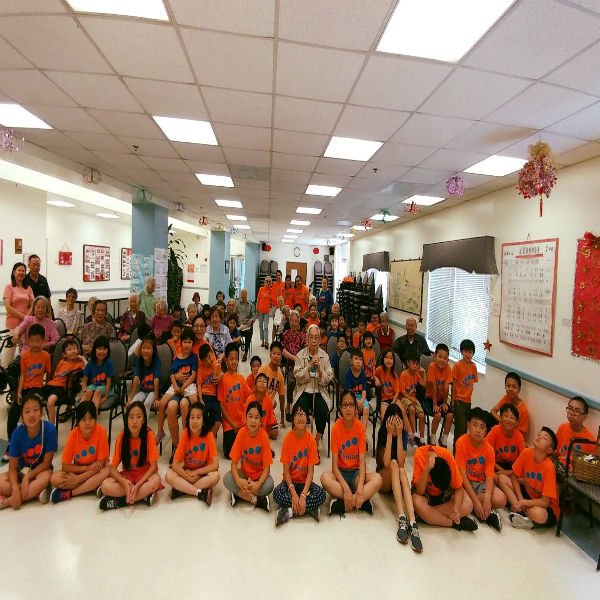
In a world that often feels fractured and fast-paced, there's an anchor that remains steadfast: the deep, enduring connection within our families. More than just shared DNA, these are the Family & Intergenerational Bonds that weave together our past, present, and future, strengthening connections through shared wisdom and mutual support. It's in these ties that we find our earliest lessons, our greatest comfort, and the profound sense of belonging that truly makes us whole.
This isn't just about nostalgia; it's about building resilience, fostering growth, and ensuring a vibrant legacy for generations to come. When elders share stories and young ones bring fresh perspectives, the family unit doesn't just survive—it thrives.
At a Glance: Nurturing Your Family's Intergenerational Connections
- Prioritize Regular Gatherings: From simple dinners to grand reunions, shared experiences build lasting memories and reinforce traditions.
- Practice Respect and Empathy: Actively listen, acknowledge feelings, and ensure every voice, young or old, feels heard and valued.
- Show Genuine Support: Express gratitude, celebrate milestones, and offer practical help or a listening ear when family members need it most.
- Engage in Shared Interests: Discover hobbies, activities, or learning opportunities that can bring different generations together for fun and bonding.
- Pass Down Wisdom and Skills: Whether it's through mentoring, teaching life skills, or involving younger members in family endeavors, share what you know.
- Plan for the Future Together: Address estate planning proactively to protect assets, prevent conflict, and ensure financial security for future generations.
- Embrace Conflict Resolution: Utilize impartial mediators when necessary to navigate disagreements respectfully and preserve family harmony.
- Recognize Mutual Growth: Understand that every generation offers unique value, fostering an environment where everyone can learn and empower each other.
The Enduring Power of Family & Intergenerational Bonds
At its core, family is our first community, a living tapestry woven from individual lives across different eras. These intergenerational bonds aren't merely decorative; they're the structural threads that give our lives meaning, continuity, and an invaluable sense of belonging. They create a safe harbor for sharing triumphs and struggles, a place where wisdom isn't just taught, but felt and absorbed through lived experience.
Think about the feeling of being truly seen and understood, or the joy of witnessing a child light up as they hear a story from their great-grandparent. These moments are where the magic happens. They remind us that every person, regardless of age, brings a unique perspective and can make a meaningful contribution to the collective family narrative. As Generations United powerfully illustrates, these connections foster:
- Shared Wisdom: A dynamic exchange where unique knowledge, diverse skills, and differing perspectives are openly shared. Wisdom isn't limited to age; it grows through the experiences of every generation.
- A Deep Sense of Belonging: By honoring each person’s role and contribution, these bonds cultivate identity and a profound sense of community within the family.
- Mutual Growth and Empowerment: When generations connect, everyone benefits. Younger individuals gain confidence and life skills, while elders feel valued and continue to learn and grow, recognizing their vital importance to society and their loved ones.
In many communities, particularly within Black communities, this concept is beautifully encapsulated in the saying, "it takes a village." It signifies a collective responsibility to support and uplift one another through every stage of life, reminding us that life’s greatest lessons often unfold gradually through shared moments and stories. This builds trust not just in each other, but in the unfolding journey of life itself.
Building Bridges: Strategies for Stronger Intergenerational Connections
Strengthening family bonds across generations isn't about grand gestures; it's about consistent, intentional effort. It's about creating spaces where connections can flourish naturally, through shared activities, open communication, and mutual respect.
Cultivating Shared Moments & Memories
Some of the most cherished family memories aren't meticulously planned but emerge from simple, regular interactions.
1. Make Regular Get-Togethers a Priority
Life gets busy, but carving out dedicated time for family is non-negotiable for robust bonds.
- Schedule Family Reunions: These larger gatherings are fantastic for connecting distant relatives, especially for kids who might not often see cousins or older family members. They’re a chance to share family history, update everyone on life events, and collectively honor your lineage.
- Celebrate Milestones: Birthdays, anniversaries, graduations, or even small personal victories offer perfect opportunities to gather. These celebrations honor family traditions, spark storytelling, and create new, lasting memories that become part of your shared history.
- Establish Family Rituals: Maybe it’s a weekly Sunday dinner, an annual holiday cookie bake-off, or a summer picnic. These recurring events become anchors, something everyone can look forward to and rely on.
2. Share Your Interests and Explore New Ones Together
Common interests are powerful bond builders. They provide a natural avenue for interaction and cooperation, bridging generational gaps. - Host a Family Night: Think beyond just dinner. A game night, a movie marathon with everyone picking a film, or a puzzle challenge can be incredibly fun and foster lighthearted interaction.
- Involve Family in Your Hobbies: If you love gardening, invite a grandchild to help plant seeds. If you enjoy cooking, teach a younger relative a family recipe. If you're into photography, go on a "photo walk" together. The shared activity itself is less important than the shared experience and conversation it sparks.
- Start a Family Book Club: Choose books that appeal to various age groups, or ones that tackle themes relevant to different life stages. Discussing the stories can lead to fascinating insights and foster understanding across generations.
Foundations of Respect & Support
Genuine connection can only thrive where respect and support are actively cultivated. This means valuing each person's individuality and ensuring everyone feels heard and appreciated.
3. Treat Everyone with Unwavering Respect
Respect is the bedrock of any healthy relationship. Within a family, it creates an inclusive environment where everyone feels safe to be themselves.
- Practice Active Listening: When an elder shares a story, really listen. Nod, make eye contact, and ask follow-up questions that show you're engaged. When a younger member expresses a struggle, give them your full attention, validating their feelings without judgment.
- Cultivate Empathy: Try to see things from another's perspective. Acknowledge a younger member’s struggles with school or social pressures. Understand an older relative’s challenges with technology or mobility. Empathy builds bridges of understanding.
- Encourage Participation: Make sure everyone, from the youngest to the oldest, has a voice in family decisions or activity planning. Ask for suggestions for the next family game night, or for input on vacation plans. This fosters a sense of ownership and belonging.
4. Show Support and Appreciation Regularly
These simple acts can powerfully reinforce family bonds, creating an atmosphere of warmth and inclusivity. - Express Gratitude: Don't let acts of kindness go unnoticed. A heartfelt "That was delicious, thank you for dinner!" or "I really appreciate you helping me move that furniture" goes a long way.
- Celebrate Achievements: Big or small, acknowledge and celebrate successes. Hosting a small gathering for a graduation, sending a congratulatory text for a new job, or even just a word of praise for a completed project—these actions affirm a person's value.
- Check In Regularly: A quick text to a cousin during exam season, a phone call to a grandparent who lives alone, or an email to an aunt just to say hello shows you care and are thinking of them. Consistency builds trust and strengthens the feeling of connection.
Passing Down Legacies & Life Skills
Families are living libraries, rich with wisdom, skills, and traditions passed down through the ages. Actively engaging in this transfer of knowledge strengthens bonds and prepares future generations.
5. Mentor and Coach Across Ages
Mentorship within the family is a powerful way to impart life skills, offer guidance, and foster deep connections.
- Provide Career Guidance: Offer insights from your own professional journey, help with résumé reviews, or connect a younger family member with contacts in your network.
- Support Personal Development: If a grandchild is interested in public speaking, help them organize mock presentations. If a niece wants to learn coding, offer to sit with them as they follow online tutorials.
- Teach Practical Life Skills: Whether it’s cooking a beloved family recipe, balancing a budget, or basic car maintenance, these hands-on lessons create invaluable bonding opportunities and equip younger members for independence.
- Collaborative Projects: Undertake a family garden project, plan a community service initiative, or even start a small family business venture together. These shared goals foster teamwork, problem-solving, and a sense of collective accomplishment.
6. Teach Younger Members About Family Businesses and Financial Literacy
Family businesses are more than just enterprises; they're living testaments to resilience, teamwork, and innovation. Involving younger generations offers invaluable lessons far beyond the balance sheet. - Business Operations: Teach them about customer service, marketing, inventory management, or operational logistics. This isn't just about chores; it's about understanding the dedication and ingenuity required to build something lasting.
- Crucial Financial Literacy: This is perhaps one of the most vital legacies. Discuss budgeting, saving strategies (comparing high-yield vs. traditional accounts), and basic investment principles. Introduce them to financial instruments like multi-year guaranteed annuities (MYGA) for predictable growth, fixed-indexed annuities (FIA) for market participation with principal protection, and longevity-focused options like qualified longevity annuity contracts (QLAC), single premium immediate annuities (SPIA), and deferred income annuities (DIA) for understanding retirement planning and guaranteed income streams. These conversations demystify money and empower them to make informed choices.
Securing the Future: Planning Together
While often sensitive, proactive planning for the future is a profound act of intergenerational love and responsibility. It ensures harmony and provides a roadmap for continuity.
7. Plan Your Estate Together
Estate planning is not just about assets; it’s about protecting your loved ones and preventing potential conflicts down the line. Addressing these matters proactively ensures a smoother transition and fosters family harmony.
- Smooth Asset Transition: By clearly outlining your wishes for assets, you minimize legal complexities and emotional stress for those you leave behind. Financial vehicles like annuities can play a significant role here, providing steady income streams for beneficiaries. For example, considering options that could provide $300,000, $500,000, or even $1 million in guaranteed payouts can be a cornerstone of financial security. It's important to understand payout options, associated fees, and crucial beneficiary designations. Always consult a licensed financial advisor to get personalized quotes and understand what’s best for your family's unique situation.
- Couples' Estate Planning: This involves identifying joint versus individual assets, creating explicit instructions for family businesses, and establishing healthcare directives to ensure your wishes are honored. These conversations are challenging but vital for peace of mind.
8. Use Mediators to Navigate Conflict
Even the closest families experience disagreements. When conflicts arise that feel intractable, an impartial mediator can be an invaluable resource. - Effective Conflict Resolution: Mediation offers a structured, neutral space to address sensitive family conflicts, such as adult siblings disagreeing on caregiving responsibilities for an aging parent, or disputes over inheritance.
- Choosing the Right Mediator: Look for an impartial professional with experience in family dynamics, such as a licensed therapist or a certified family mediator. Their role is to facilitate open dialogue, ensure all voices are heard, and guide family members toward mutual understanding and agreement, preserving relationships rather than letting disputes fester.
The Unseen Benefits: How Deeper Bonds Transform Us
The impact of robust intergenerational bonds extends far beyond individual interactions. These connections contribute to a collective strength and resilience that equips families to face life's inevitable changes—including loss, health challenges, and shifting societal norms. Younger generations are not just passive recipients; they are invited to step into new roles, learn from elders, and carry forward cherished legacies, contributing their own unique flavor to the family story.
Every generation brings its own lens to the world, shaped by distinct historical moments and cultural shifts. For instance, understanding the experiences of a generation that came of age in the late 1970s, as highlighted in articles like All about the 1978 generation, can offer profound insights into resilience, adaptability, and the evolution of societal values. These unique generational perspectives enrich the family narrative, providing context and deeper understanding for everyone.
These connections demonstrate that everyone can make a meaningful contribution, fostering mutual respect and recognizing the inherent value each person brings. The "Peoples’ Family Reunion" in North Carolina, where elders proudly witness younger generations' accomplishments and pass on guidance through engaging activities, perfectly exemplifies this beautiful synergy. It’s a powerful reminder that nurturing these invaluable connections creates spaces where elders and younger generations can truly share, grow, and thrive together, enriching lives for years to come.
Your Next Step: Nurturing Your Own Family's Legacy
Building strong family and intergenerational bonds is a continuous journey, not a destination. It requires patience, empathy, and a willingness to engage authentically with those who share your lineage. Start small: host that game night, make that phone call, or simply sit down and listen to a family story. These seemingly minor actions accumulate, weaving a stronger, richer tapestry of connection that will uplift and support your family for generations.
Remember, every shared laugh, every recounted memory, and every act of support adds another thread to this invaluable fabric. Invest in these bonds, and you invest in a legacy that will outlast us all, bringing immeasurable joy and strength to your family's future.